No Quality Control Process? Expect Returns, Chargebacks, and Lost Accounts
Skipping pre-shipment inspections and in-line quality checks doesn't save money — it just delays the cost until it's far more painful. Here's what a real quality control process looks like for China-sourced products.
There's a moment in every product launch when the factory says the goods are ready and you face a choice: pay for a quality control inspection, or trust that the samples you approved reflect what's in those cartons. The inspection costs $300–$500 per visit. Skipping it feels like a reasonable economy. Then the shipment arrives, the retailer opens the cartons, and 20% of the units have a defect that should have been caught in production coordination. The chargeback lands a week later. The account goes quiet. The math on that $400 decision suddenly looks very different.
What Happens Without Quality Control
In mass production, variation is inevitable. Materials arrive from sub-suppliers at slightly different specs. A machine on the production floor needs recalibration. A shift change introduces a new operator who isn't following the same process as the previous one. Without systematic quality control checkpoints, these variations compound through a run of thousands of units before anyone catches them.
The consequences hit your business at multiple points in the supply chain:
Consumer returns — direct cost of reverse logistics, restocking, and the customer experience damage.
Retailer chargebacks — major chains impose automatic penalties of 3–15% on orders where goods arrive not to spec. Some also charge for re-ticketing or re-labeling.
Amazon listing damage — a batch of defective products generates negative reviews that suppress your listing's organic rank and conversion rate, often for months.
Lost accounts — a buyer who received a bad shipment will not place a repeat order. Rebuilding that relationship, if possible at all, takes years.
Brand damage — in the era of social media, one video of a product failing in a dramatic or embarrassing way can define your brand in ways you cannot control.
The Three Stages of Quality Control
A professional quality control process for China-manufactured goods has three distinct stages, each serving a different purpose:
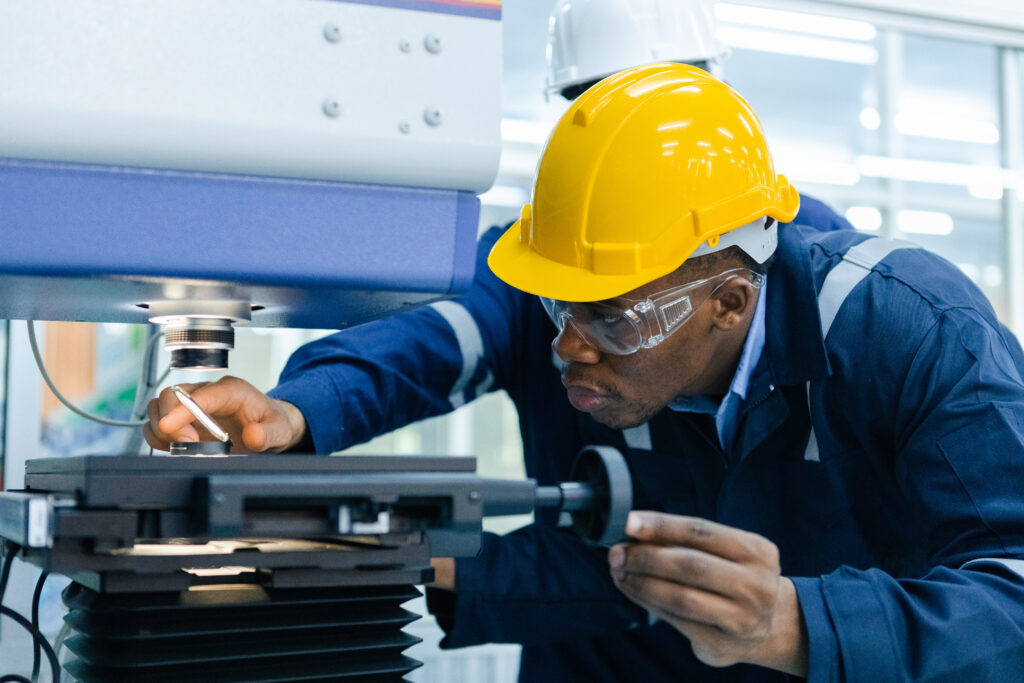
Pre-production inspection: Before production begins, verify that raw materials and components meet your specifications. This is especially critical for products with tight tolerances or specific material requirements — fabrics, electronics components, plastics, hardware.
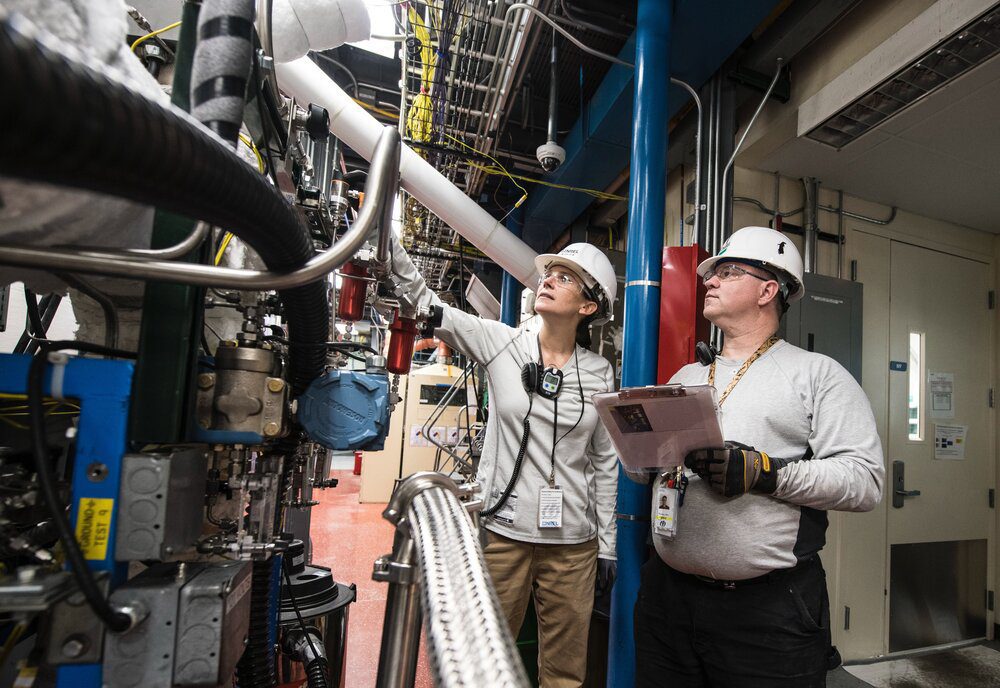
During-production (DUPRO) inspection: Conducted when roughly 20–30% of the production run is complete. This is the most valuable checkpoint — it catches systematic errors early enough to correct them without scrapping the entire run. An issue identified here costs a fraction of what it costs to address after full production.
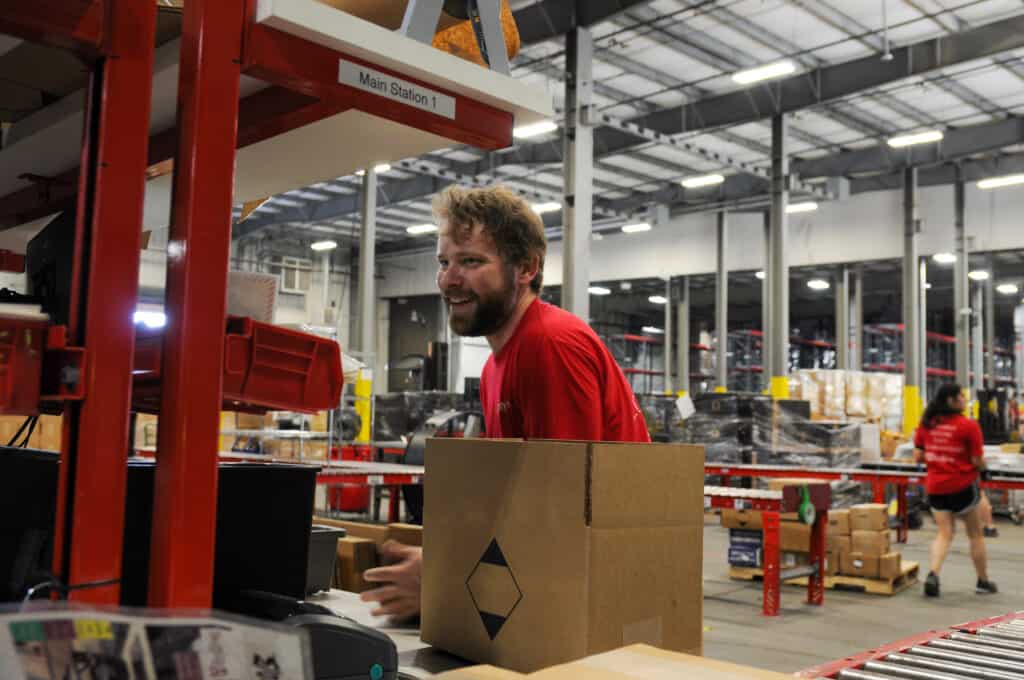
Pre-shipment inspection (PSI): Conducted when 100% of production is complete and at least 80% is packed. This is the final gate before the goods leave China. Inspectors pull a statistically valid random sample (using AQL standards), measure against your approved golden sample, and issue a pass/fail report.
A comprehensive quality control program for a standard 1,000-unit production run might cost $800–$1,500 total. That's a cost control measure, not an added expense — it directly replaces the cost of returns, chargebacks, and account recovery that a single bad shipment would generate.
What a QC Brief Needs to Include
The quality inspection is only as good as the brief the inspector is working from. Too many brands provide vague instructions that leave inspectors making judgment calls that should have been made by the brand. A proper QC brief includes:
Dimensional tolerances for all critical measurements
Color references (Pantone, RAL, or physical color sample)
Surface finish standards with acceptable defect levels defined
Functional test procedures specific to the product
Photo documentation of critical defect types
With a clear brief, a third-party inspector can act as your eyes on the factory floor with no ambiguity. Without one, you're paying for a report that may not catch the specific problems your product is prone to.
WTDA'sproduction coordination service includes QC brief preparation and inspection management as standard elements. We've built this into our process because we've seen what happens when it's absent. If your current supply chain doesn't have a quality control layer, let's talk about what it would take to add one.
Don't Make These Mistakes
WTDA handles factory selection, quality control, design, and logistics — so you can focus on selling. Start with a free project brief.