Selling Generic Products: Why 'Me-Too' Items Fail on Amazon and Retail Shelves
Copying a trending product without meaningful design differentiation is a fast path to price wars and zero brand equity. Here's how to build a product line that's defensible, unique, and actually worth buying.
Every product category on Amazon has a graveyard of near-identical items, each undercutting the last by a dollar, each fighting for the same keywords, each indistinguishable from the others except by price. This is what happens when product design is treated as a formality rather than a competitive strategy. Genuine brand development starts with the question: what makes this product meaningfully different for the person buying it? Without a clear answer to that question, you're not building a brand — you're building inventory.
The Me-Too Trap and How Brands Fall Into It
The me-too product cycle is seductive because it feels low-risk. You see a product with strong sales velocity on Amazon, confirm that a factory can produce something similar, slap your logo on it, and launch. The factory cost is known. The market demand is proven. What could go wrong?
Everything, typically, within 6–12 months. Because the same reasoning that led you to that product led 15 other sellers to the same product at the same time. By the time your inventory arrives, three of them have undercut your price. Six months later, a factory in Yiwu is selling the same item directly on Temu for 40% less than your cost. Your Amazon listing's BSR starts sliding, your ad spend climbs to maintain visibility, and your margins compress until there's nothing left to compress.
Retail is no different. A chain buyer receives dozens of line sheets each season. If your product looks like something they already carry from a different vendor — same design, same materials, same price point — there is no reason to switch. Exclusive products and genuine product concepting are what make buyers pay attention.
What Real Product Differentiation Looks Like
Differentiation doesn't always mean radical innovation. In most consumer categories, it means making thoughtful design decisions that accumulate into a product experience that feels noticeably better or different than the alternatives. This might be:
A material upgrade that adds tactile quality — a soft-touch finish, a more substantial weight, a higher-grade hardware component.
A functional improvement that solves a specific complaint visible in competitor reviews — better ergonomics, easier assembly, a more secure closure mechanism.
A design language that's cohesive across a product line, creating a visual identity that signals brand seriousness rather than commodity sourcing.
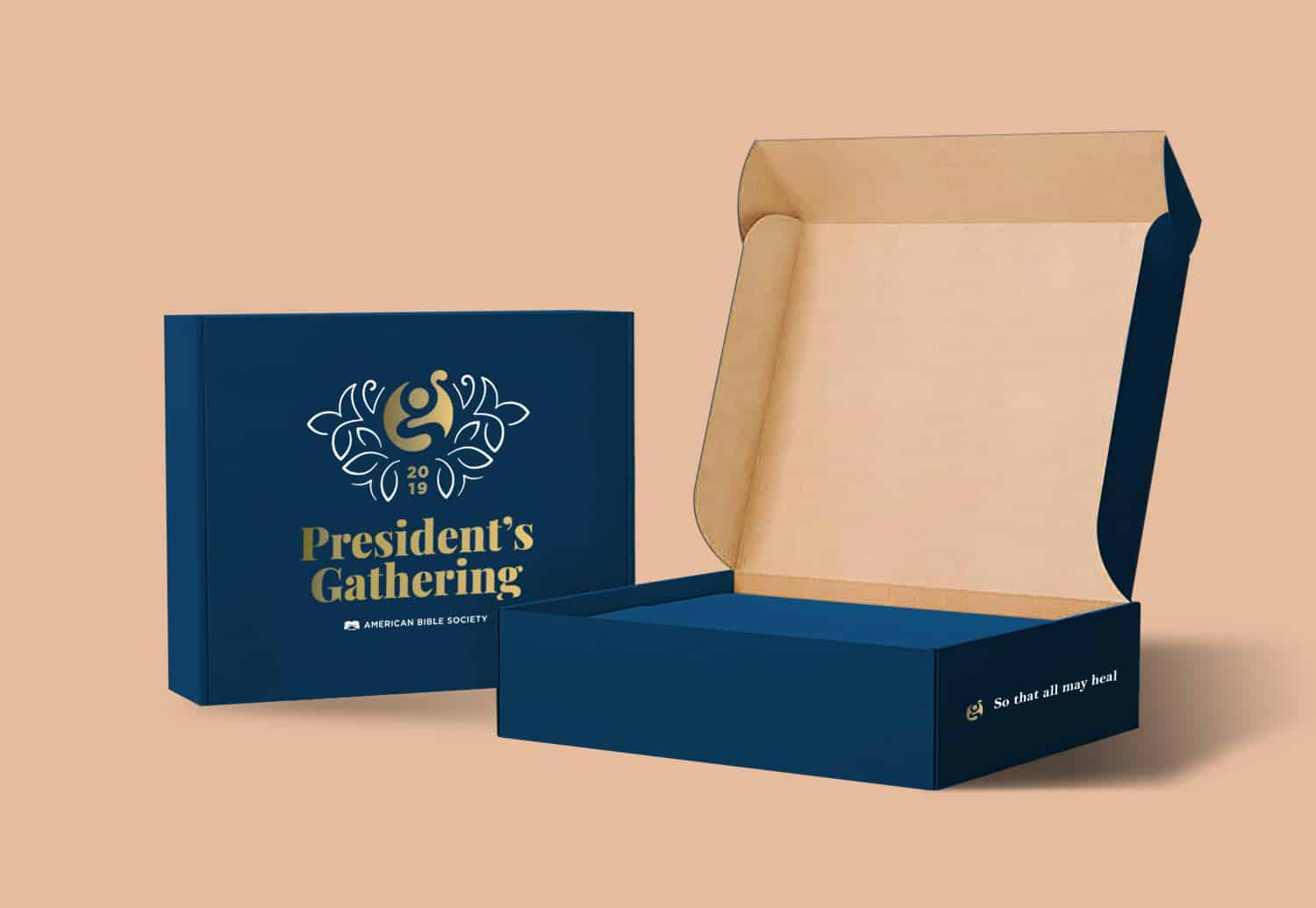
Packaging that communicates the product's positioning clearly and attractively at shelf level.
A size, configuration, or bundle that matches how the target consumer actually uses the product.
None of these require inventing new technology. They require genuine product concepting — starting with a deep understanding of the customer, their actual frustrations with existing options, and the design choices that would address those frustrations in a way a generic factory product won't.
Building a Defensible Private-Label Product Line
The most successful private-label development projects we see share a common characteristic: the brand knew exactly who they were designing for before they knew what they were designing. The target customer's preferences, shopping habits, aesthetic sensibility, and willingness to pay were defined before a single sketch was drawn.
From that foundation, product design decisions have context. A material choice isn't just about cost — it's about what that material communicates to that specific customer. A packaging decision isn't just about shelf dimensions — it's about whether the unboxing experience delivers on the brand promise.
When you build a product that genuinely serves a specific customer better than anything else available, you've created something defensible. Not legally defensible necessarily — though design patents have real value — but commercially defensible, because price-matching a me-too product requires no effort, while delivering a meaningfully better experience creates loyalty that a lower price can't automatically displace.
WTDA'sproduct concepting and brand development process is built around this principle. We don't help clients copy trends — we help them design products worth owning. If you're building a new product line and want to start from a position of genuine differentiation, let's start a conversation.
Don't Make These Mistakes
WTDA handles factory selection, quality control, design, and logistics — so you can focus on selling. Start with a free project brief.