Importing Without Compliance: The Hidden Risks of Missing Certifications
FDA, CPSC, FCC, ASTM, Prop 65 — arriving at U.S. customs without the right certifications can mean detained shipments, fines, or a recall. Here's what import compliance actually requires.
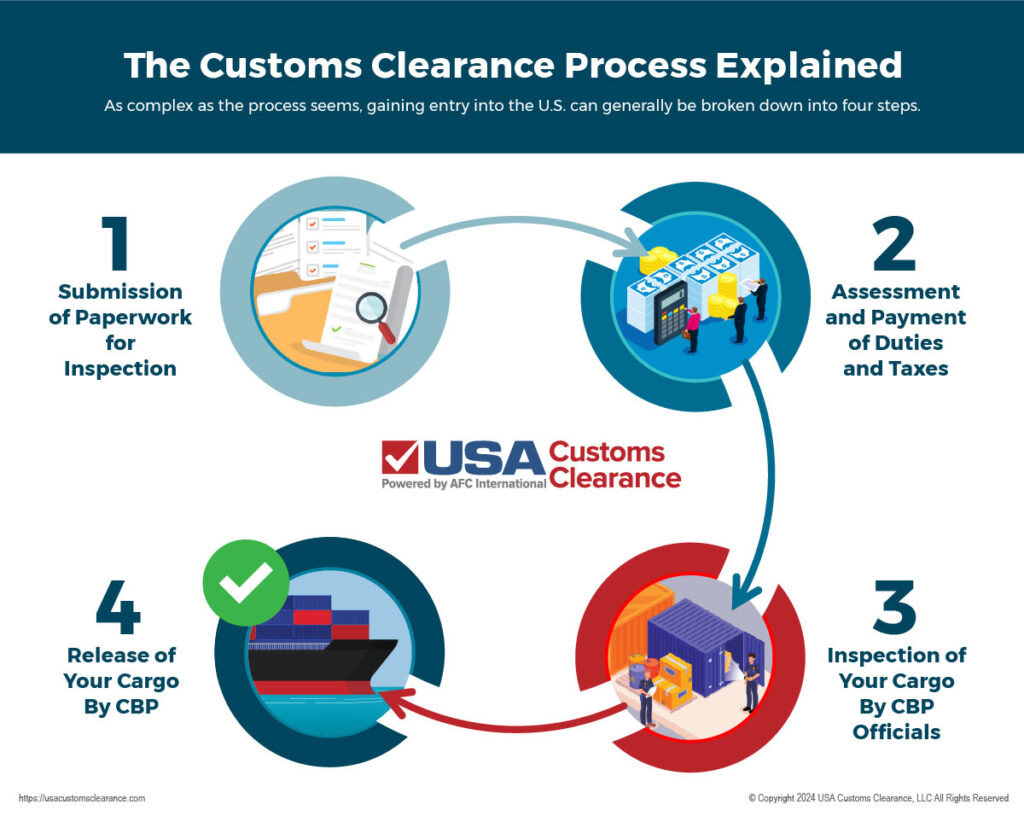
Your shipment has arrived at the Port of Los Angeles. The factory did a great job, the samples were approved, the timing was right. Then U.S. Customs places a hold on the container because the product lacks the product certification documentation required for its HTS classification. Every day the container sits at port costs you detention and demurrage fees. If the hold becomes a refusal, the product is either destroyed or re-exported at your cost. This scenario — entirely preventable — happens to first-time importers every week. Import compliance is not a checkbox; it's a foundational part of getting product into U.S. retail.
The Compliance Landscape by Product Category
U.S. import and product compliance is managed across multiple regulatory bodies, each covering different product categories. The most commonly relevant ones for consumer goods importers include:
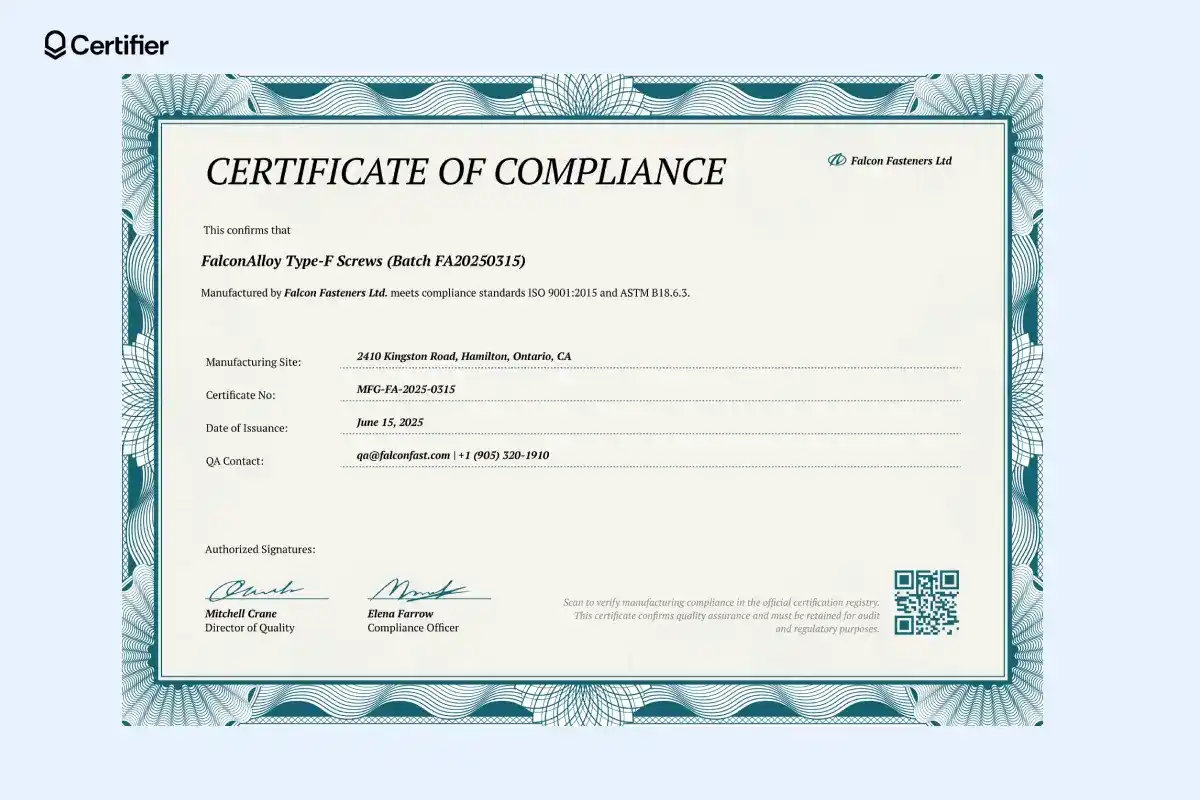
CPSC (Consumer Product Safety Commission): Governs children's products, toys, furniture, and a wide range of general consumer goods. Products in scope require a Children's Product Certificate (CPC) or General Conformity Certificate (GCC) and must be tested by a CPSC-accredited laboratory. ASTM and ASTM F963 (toy safety) standards apply in many categories.
FDA: Governs food contact materials, dietary supplements, cosmetics, personal care products, and certain electronics. Many importers are surprised to discover that a silicone kitchen accessory or a reusable water bottle falls under FDA jurisdiction for food contact materials.
FCC (Federal Communications Commission): Any product with a wireless component, Bluetooth, Wi-Fi, or that emits radio frequency — including wireless chargers, smart home devices, and even some toys — requires FCC authorization. FCC marking must appear on the product or packaging.
California Proposition 65: A California-specific regulation that requires warning labels on products containing substances on the Prop 65 list above threshold concentrations. Lead, phthalates, cadmium, and dozens of other substances are on the list. Prop 65 violations carry significant civil penalties and are a common target for private enforcement actions.
DOT and IATA regulations: Products with lithium batteries — increasingly common in consumer electronics, lighting, and personal care devices — face strict shipping and documentation requirements for both ocean and air freight.
What Retail Buyers Require
Even if your product clears customs without incident, major retail buyers have their own compliance requirements that go beyond federal minimums. Most chain retailers require a Vendor Compliance Manual acknowledgment, factory audit results, test reports from accredited labs, and proof of liability insurance coverage before issuing a purchase order. Some retailers — particularly in the children's, food, and personal care categories — have standards that exceed federal minimums.
The practical consequence is that a product without its compliance documentation is not just legally exposed — it's commercially ineligible for most major retail channels. A brand that invests $50,000 in product development and sourcing and then discovers their product can't meet a retailer's compliance requirements is in a genuinely difficult position.
Building Compliance Into the Development Process
Compliance should be addressed at the design stage, not after production. The reason is that some product certification requirements have design implications. A children's product, for example, must meet mechanical and physical safety tests (ASTM F963) that affect how components are assembled, what materials are used, and what finishes are applied. Discovering that your chosen design fails a pull-force test after tooling is cut is expensive. Designing for compliance from the start is not.
The smart approach: identify the applicable regulatory frameworks for your product category as one of the first steps in development. Use accredited labs (SGS, Bureau Veritas, Intertek, and UL are the major players) for pre-production material testing and pre-shipment product testing. Build the cost of testing and certification into your unit economics — it's typically $500–$3,000 per product depending on scope, a modest investment relative to the risk it mitigates.
Maintaining a supply chain that has compliance built in — factory audit certificates, material safety data sheets, and test reports kept current — also protects you if a retailer or regulator ever asks for documentation.
WTDA manages import compliance as an integrated part of our product development process. We know which certifications your product needs before it's designed, not after it's packed. If you're unsure whether your product is compliant for U.S. retail or customs clearance, reach out — we can run a compliance gap analysis before it becomes a crisis.
Don't Make These Mistakes
WTDA handles factory selection, quality control, design, and logistics — so you can focus on selling. Start with a free project brief.