Launching a Product Nobody Wants: The Cost of Skipping Market Research
Designing what you like instead of what the market needs is one of the most common — and most expensive — mistakes in product development. Here's how data-driven product selection prevents costly flops.
The product idea came from personal experience — a problem you encountered, a gap you noticed, something you thought was missing from the market. You were convinced others would feel the same way. You invested $40,000 in development, production, and freight. The product arrived. And then, slowly and then all at once, it became clear that the market didn't share your conviction. Market entry failure from insufficient research is not a fringe scenario — it's one of the top three reasons new consumer products fail in their first year. Getting product selection right before committing capital is the single highest-leverage thing a brand can do.
What 'Market Research' Actually Means in This Context
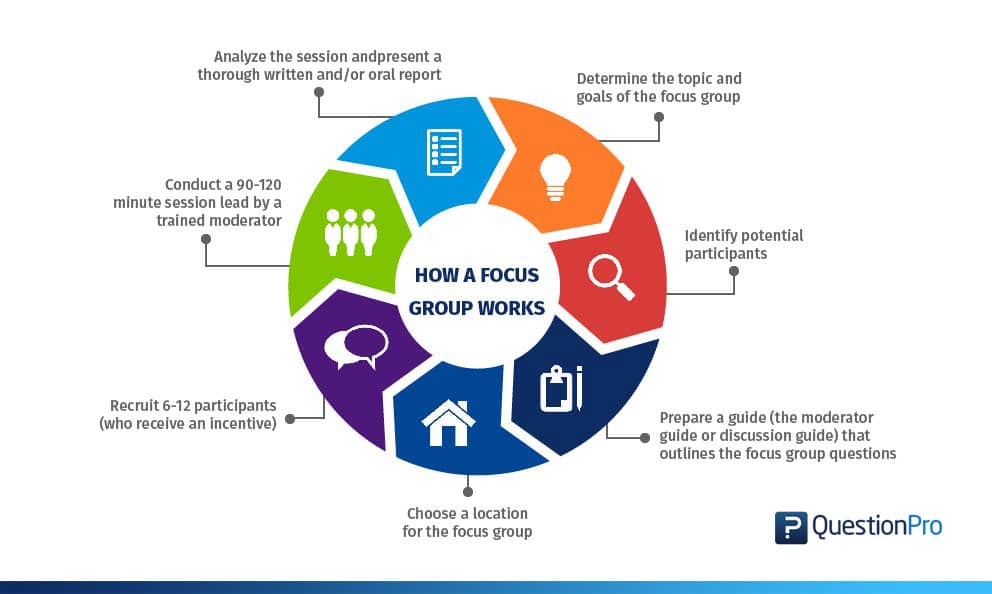
Market research for a product launch is not a focus group or a Survey Monkey poll. It's a structured effort to answer specific commercial questions before capital is committed:
Is there demonstrated demand? Search volume data, Amazon BSR trends, and category sell-through rates at retail all provide quantitative signals of actual purchasing behavior — not just stated interest.
Who is the specific buyer? Not "women aged 25–45" — but a specific persona with specific motivations, a specific price sensitivity, and specific channels they shop. The more precisely this is defined, the more directly it can inform design and positioning decisions.
What does the competitive set look like? What are the top-selling products in the category? What do their reviews — specifically the negative ones — tell you about unmet needs? What price points are the market leaders occupying?
What do retail buyers in this category need? A chain buyer's buyer brief is explicit about what they're looking for — price points, retail packaging requirements, category gaps they're trying to fill. Talking to buyers before designing is one of the most effective forms of market research available.
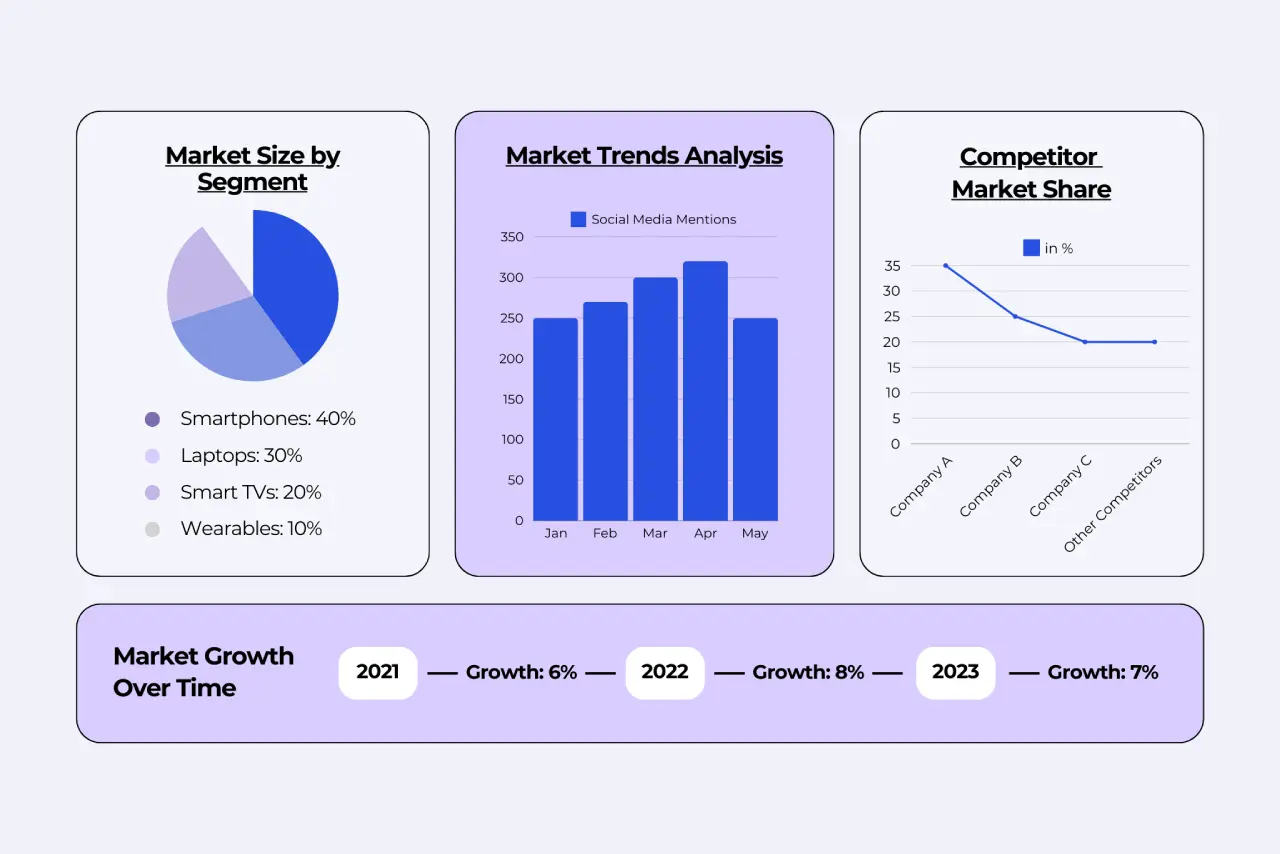
What are the size and growth dynamics of the category? A category in structural decline is a difficult place to launch a new brand. A category that's growing 15% year-over-year is a very different opportunity.
The Buyer Brief: The Most Underused Tool in Product Development
The most direct form of market entry research available to a brand is often the simplest: asking retail buyers what they need. A buyer brief — a structured conversation or document capturing what a buyer is actively looking for in a product category — tells you more about market demand than almost any secondary data source.
Buyers know their customers deeply. They track what sells and what doesn't. They know what price points their customers will accept for what level of quality. They know which existing vendors are underperforming and what gaps exist in their current assortment. A brand that builds its product line around a buyer brief is designing for a confirmed commercial opportunity, not a hypothesis.
Getting buyer feedback at the concept stage — before tooling, before production — is the most cost-effective possible form of market validation. A buyer who says "bring me this product at this price and I'll put it in 200 stores" changes the entire risk profile of the development investment.
Using Data to Refine Product Selection
For brands launching into Amazon or DTC channels, the data layer for product selection is rich and accessible. Tools like Helium 10, Jungle Scout, and Google Keyword Planner provide search volume, competition density, and price elasticity signals that can inform which variation of a product concept has the most commercial potential.
The key discipline is to treat this data as directional, not definitive. High search volume for a keyword is promising, but if the top 10 listings in the category are dominated by large brands with thousands of reviews, the path to visibility is much harder than the raw demand numbers suggest. Good product selection balances demand signal with competitive accessibility.
WTDA's product process begins with market analysis and buyer outreach before a single design decision is made. We help clients validate their product line concept against real market data — and pivot when the data says the original direction needs refinement. If you're in the ideation stage and want to stress-test your concept before committing capital, reach out.
Don't Make These Mistakes
WTDA handles factory selection, quality control, design, and logistics — so you can focus on selling. Start with a free project brief.