DIY Sourcing from Alibaba: 7 Mistakes That Cost First-Time Importers Thousands
Alibaba makes China sourcing look easy. Trading companies posing as factories, fake samples, hidden fees, and IP theft make it anything but. Here's what first-time importers need to know before they place an order.
Alibaba is a genuinely useful platform. It has connected thousands of brands with legitimate manufacturing partners and enabled product lines that wouldn't otherwise exist. It has also cost first-time importers hundreds of millions of dollars in aggregate — through trading company markups, failed shipments, IP theft, and products that bear no resemblance to the samples that were approved. DIY China sourcing requires specific knowledge that most first-time buyers don't have, and Alibaba's interface is designed to make product sourcing feel simpler than it is. Here are the seven mistakes we see most often.
Mistake 1: Assuming the Listing Is a Manufacturer
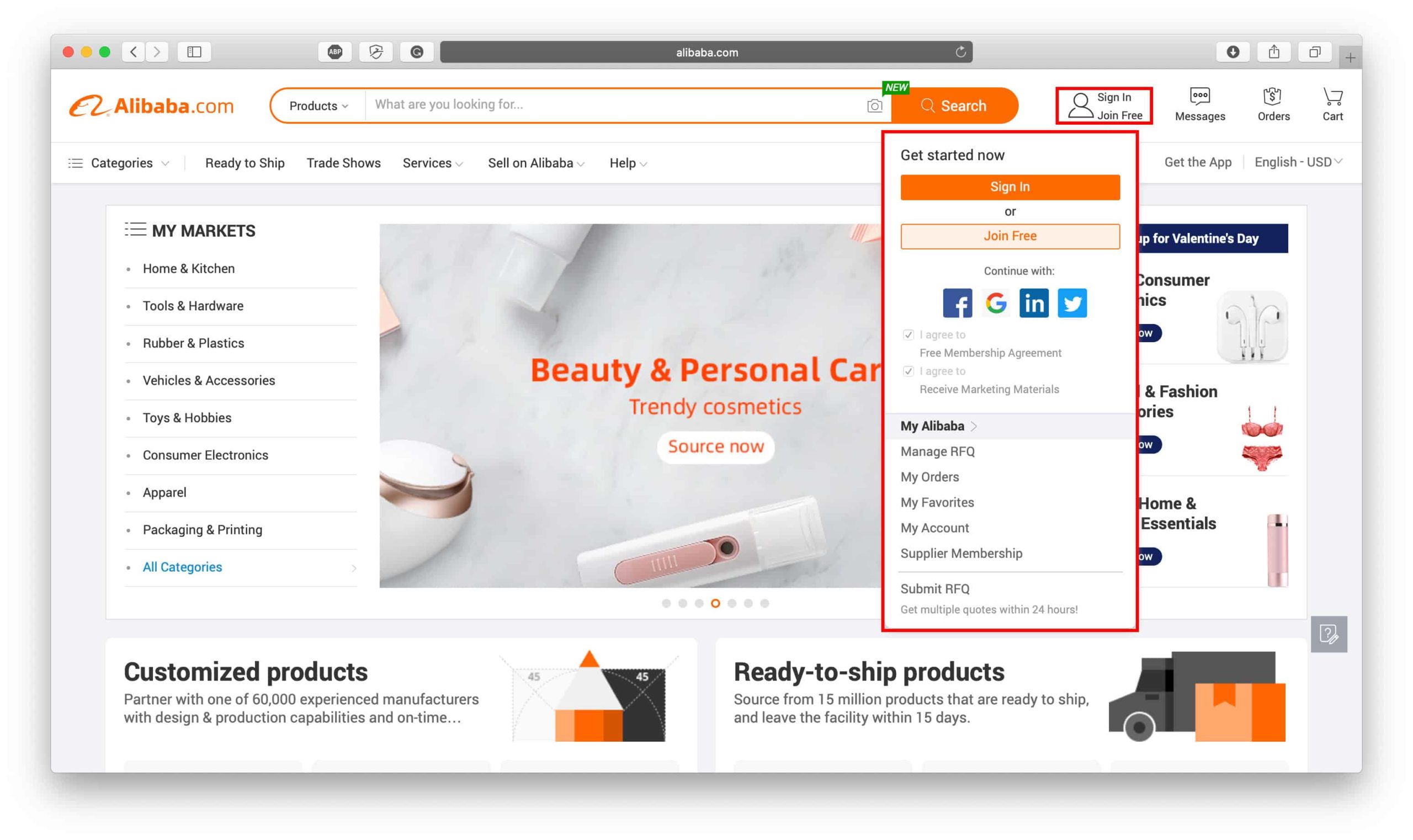
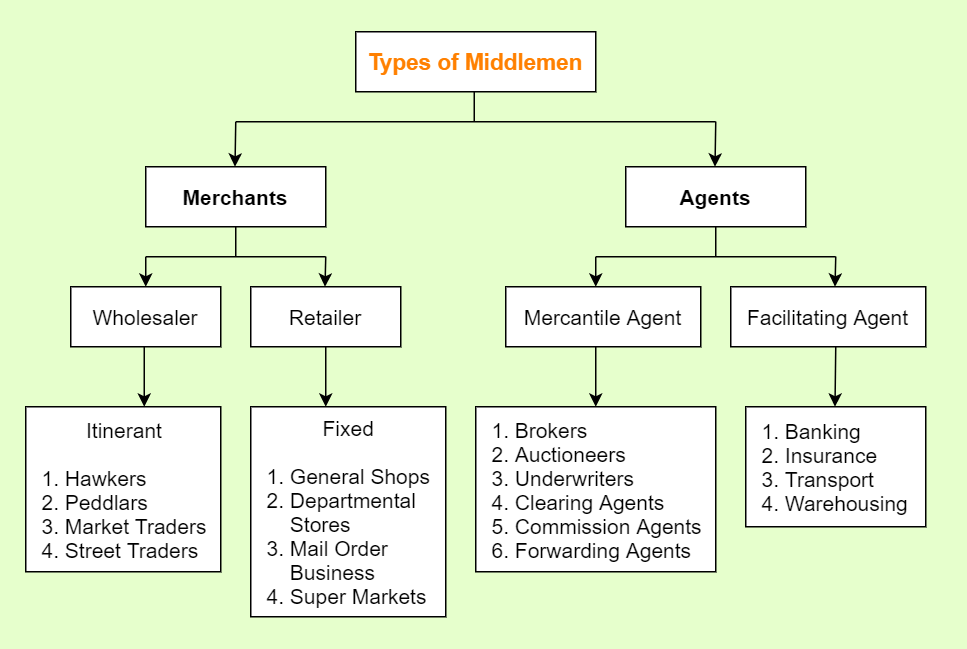
A significant percentage of Alibaba listings are trading companies — intermediaries who buy from factories and resell, often with a markup of 15–40%. They present as manufacturers, list capabilities they don't have, and have no ability to enforce quality control because they don't control the production floor. Identifying actual manufacturers requires scrutiny: checking business license type (manufacturer vs. trading company), requesting factory photos with specific metadata, and ideally performing a factory audit before committing to an order.
Mistake 2: Trusting the Gold Supplier Badge
Alibaba's Gold Supplier and Trade Assurance badges are membership programs, not quality certifications. Any company can buy a Gold Supplier membership. Trade Assurance provides limited financial recourse for non-delivery, not quality disputes. Neither badge tells you anything meaningful about production capability, quality consistency, or ethical practices.
Mistake 3: Approving Samples Without a Written Spec Sheet
The most common prelude to a failed production run: a brand approves a sample based on visual inspection, without a formal spec sheet documenting materials, dimensions, tolerances, color references, and performance requirements. When the production run arrives and doesn't match the sample, the factory has plausible deniability — there was no written standard to produce against. Every sample approval in product sourcing must be accompanied by a signed spec sheet that both parties acknowledge.
Mistake 4: Skipping Pre-Shipment Quality Control
As covered in detail elsewhere on this blog, bypassing quality control inspections to save $400 is one of the most expensive false economies in sourcing. For DIY importers, this is especially risky because there's no ongoing relationship capital to fall back on if something goes wrong. A third-party inspection (SGS, Intertek, or similar) provides an objective, documented assessment of the production run before it leaves the country.
Mistake 5: Underestimating Total Landed Cost
Alibaba unit prices are typically quoted EXW (Ex Works) or FOB — meaning the price at the factory gate or origin port, before freight, duties, customs brokerage, and domestic logistics. First-time importers frequently anchor on this number and build their pricing model around it, then discover that total landed cost is 40–80% higher. Effective cost control in China sourcing means modeling the complete cost stack before committing to an order.
Mistake 6: Not Protecting Your Intellectual Property
Sharing detailed design files, technical drawings, or proprietary formulations with a factory before any IP protection is in place is a real risk. In China, IP protection is primarily territorial — a patent or trademark registered in the U.S. provides no protection in China. Brands planning to do repeat business with a manufacturing partner should register their trademark with CNIPA (China National Intellectual Property Administration) and use NDA and non-compete clauses in supplier agreements. This is especially important for branded product lines with distinctive design elements.
Mistake 7: One-Time Transactional Ordering
DIY sourcers often treat each order as a new transaction — finding a new supplier each time based on price. This approach destroys the relationship value that makes China sourcing work well at scale. A factory that knows you're a reliable, repeat customer will give you better pricing over time, more attentive production management, and faster response on issues. The brands that do best in China manufacturing are the ones that invest in a small number of trusted, long-term factory relationships rather than constantly optimizing for the lowest quote.
A Better Alternative to DIY
None of this means sourcing from China is inaccessible to smaller brands. It means it requires either the expertise to navigate it correctly, or a partner who has that expertise and the factory relationships that come with it. The cost of a sourcing partner is almost always less than the cost of making these mistakes.
WTDA exists specifically to bridge the gap between U.S. brands and China manufacturing — with vetting, quality control, compliance, and production coordination built in. If you've had a bad Alibaba experience, or you're about to place your first international order and want to avoid these pitfalls, we're here to help.
Don't Make These Mistakes
WTDA handles factory selection, quality control, design, and logistics — so you can focus on selling. Start with a free project brief.