Why Choosing the Wrong Factory in China Can Kill Your Product Launch
Mismatched factory capabilities are one of the top reasons new products fail — leading to defective goods, blown timelines, and wasted budgets. Here's what proper factory matching actually looks like.
Finding the right manufacturing partner is one of the most critical — and most underestimated — decisions you'll make when sourcing from China. Get it wrong, and even a brilliant product concept can collapse into a pile of defective units, missed delivery windows, and a retailer who never calls you back. Factory matching, quality control, and China sourcing strategy aren't afterthoughts — they're the foundation everything else sits on.
Why Most Factory Mismatches Happen
The typical story goes like this: a buyer finds a factory on Alibaba that claims to produce the exact product category they need, places a sample order, the sample looks decent, and they move forward with a 5,000-unit production run. Three months later, 40% of the units fail inspection, the factory can't explain why, and the buyer is out $35,000 with nothing to show retail.
The problem isn't always quality negligence — sometimes it's a simple capabilities mismatch. A factory experienced in making plastic household goods is not the same as one equipped for electronics assembly. A furniture manufacturer that handles large B2B hotel contracts is structurally different from one that can execute retail-ready packaging with hangtags and barcodes. In China manufacturing, specialization runs deep. A factory's stated product range and its actual core competency can be two very different things.
There are also structural mismatches. Some factories have minimum order quantities (MOQs) calibrated for large clients — they'll accept your small order to fill capacity, but your job won't get the floor supervisor's attention. Others are trading companies masquerading as manufacturers, marking up goods sourced from third-party plants with zero ability to enforce quality standards.
What Good Factory Matching Actually Looks Like
Proper China sourcing starts long before you request a quote. It begins with a clear product brief: materials, dimensions, tolerances, finish quality, certifications required, and target unit cost. That brief becomes your filter. You're not looking for a factory that can produce something similar — you're looking for one whose existing production line, equipment, and workforce already do exactly what your product needs.
In practice, this means:
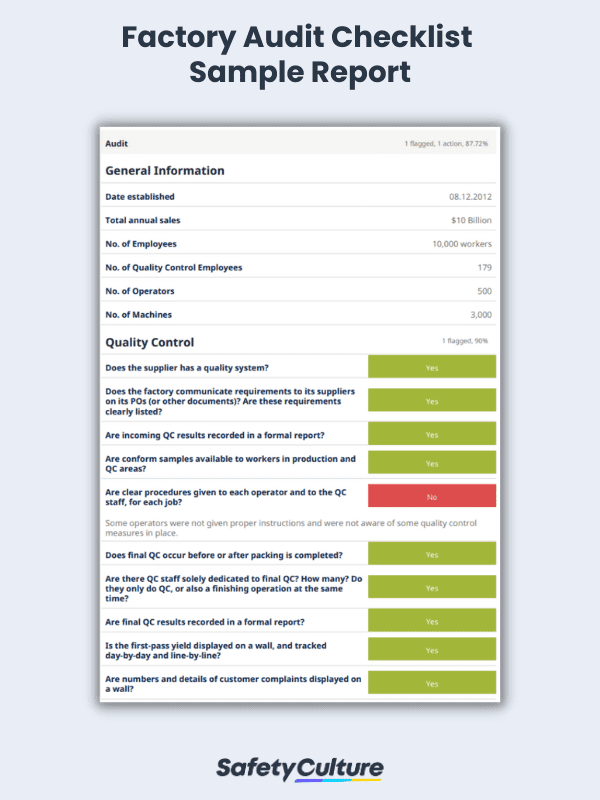
Factory audits — either in person or via a third-party inspection firm — that verify machinery, production capacity, and workforce skill level.
Reference checks with existing clients in your product category, especially those selling into U.S. retail channels.
Sample evaluation against a detailed spec sheet, not just visual impression. Measure tolerances. Test material durability. Verify color accuracy against Pantone or RAL references.
A review of the factory's quality control processes: Do they have in-line inspection checkpoints? Who signs off on final units before packing?
This process takes time — typically two to four weeks for a proper evaluation — but it's the difference between a factory that becomes a long-term asset and one that becomes a cautionary tale you share with other founders.
The Hidden Cost of Getting It Wrong
When a factory mismatch results in a failed production run, the visible costs are obvious: the cost of goods, freight, and the write-down. But the invisible costs are often larger. A retailer who received defective product will likely deduct a chargeback from your invoice — sometimes 5–15% of the total order value — and may not place another order. An Amazon seller who ships a bad batch faces negative reviews that can tank a listing's conversion rate for months. A DTC brand that ships poor-quality products to early customers destroys the word-of-mouth engine before it even starts.
Choosing the right manufacturing partner in China is not a one-time transaction. It's a relationship that compounds over time — with better pricing as volume grows, faster sampling as the factory learns your standards, and more reliable delivery as trust builds on both sides.
At WTDA, factory matching is one of the first steps in every product engagement. We maintain relationships with vetted factories across dozens of categories, and we run structured audits before recommending any production partner. If you're about to place your first China manufacturing order — or you've had a bad experience and need to start over — reach out. We'll help you get this foundational decision right.
Don't Make These Mistakes
WTDA handles factory selection, quality control, design, and logistics — so you can focus on selling. Start with a free project brief.